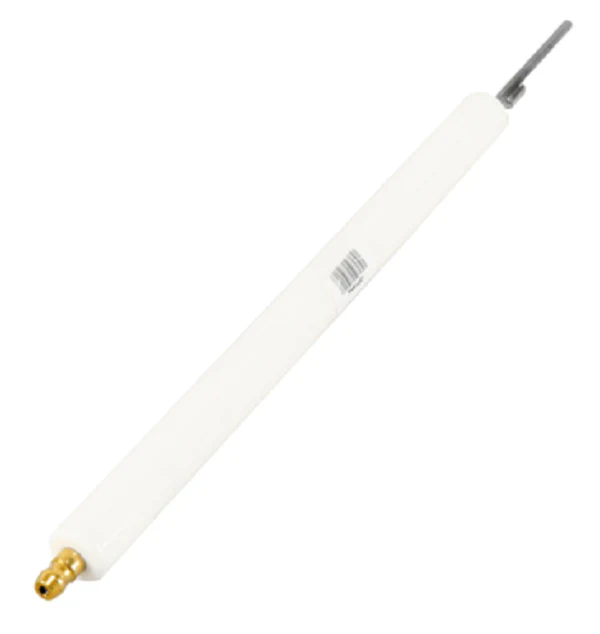
Viessmann 7861491 Flame Sensor
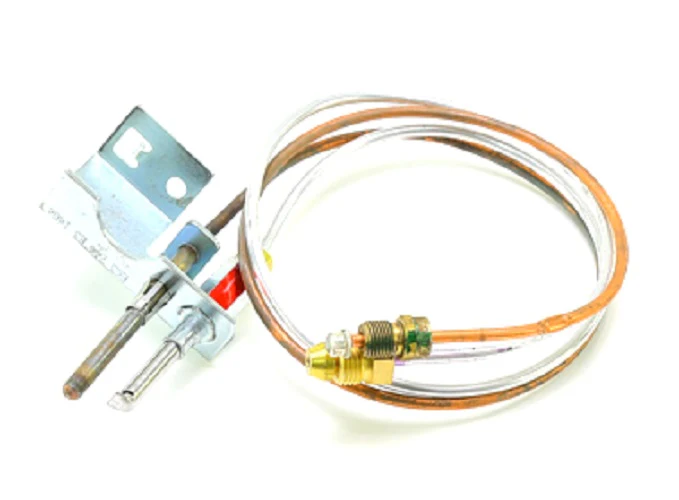
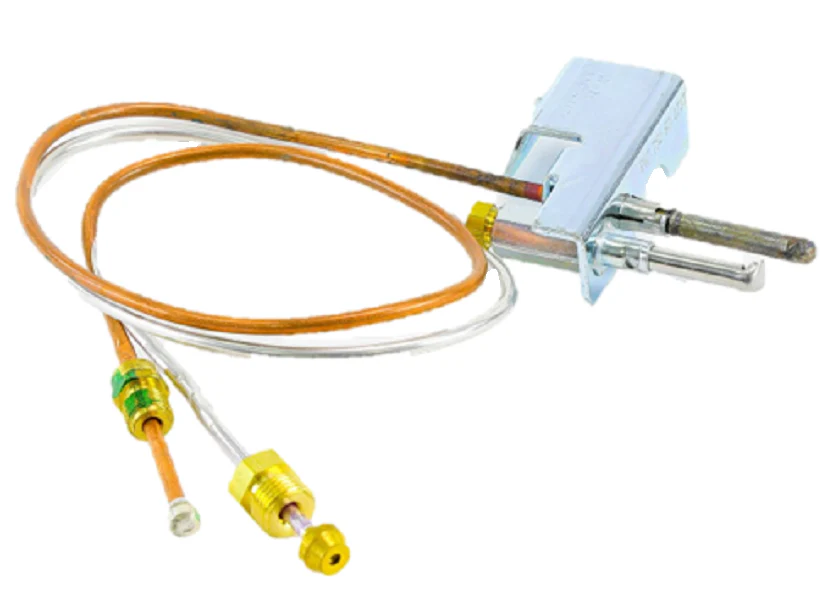
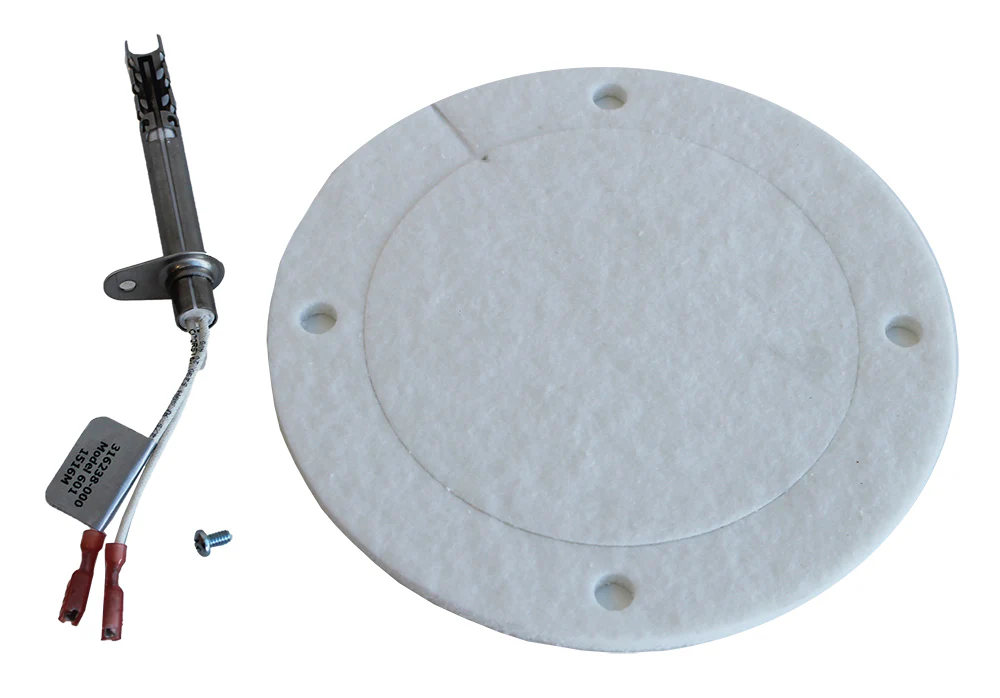
When you're troubleshooting a Viessmann Vitodens unit that keeps hitting an F2 flame loss or L2 ignition lockout, your first check should be the Viessmann 7861491 Flame Sensor. Also known as an ionization electrode, this nickel-iron (NiFe) component is the backbone of the flame rectification circuit. It’s engineered specifically for CM2 series boilers, including models like the CM20490, CM20491, and CM20493. This isn't just a dummy rod; it’s a precision HVAC safety device that must prove a stable micro-amp signal—typically between 2 and 6 μA—back to the control board within seconds of the gas valve opening. If this sensor is fouled by carbon buildup or has a cracked ceramic insulator, the circuit breaks, the fuel supply cuts, and the burner ignition fails. Replacing a worn electrode with this genuine Viessmann part ensures your gas-fired boiler maintains peak energy efficiency and avoids hazardous gas accumulation. If you’re seeing intermittent faults, the Viessmann 7861491 is the direct OEM replacement for the 7839171, ensuring the exact technical specifications and mounting geometry required for a clean boiler maintenance swap.
Key Benefits for Technicians- OEM Compatibility: Precision-fit for Viessmann CM2 boilers, acting as the primary ionization electrode.
- High-Durability Construction: Fabricated from Nickel Iron (NiFe) to withstand continuous exposure to high-temperature flame sensing environments.
- Critical Safety Compliance: Facilitates flame rectification to prevent unsafe gas flow during ignition failure.
- Improved Reliability: Reduces nuisance ignition lockouts and ensures consistent burner signal verification.
How do I test the Viessmann 7861491 flame sensor signal?
Set your multimeter to the DC micro-amp (μA) scale. Connect the meter in series between the flame sensor rod and the lead wire from the control board. A healthy Viessmann boiler typically requires a stable reading between 2 and 6 micro-amps; a reading below 1.7 μA usually triggers a lockout.
What are the symptoms of a failing 7861491 ionization electrode?
The most common symptoms include the boiler igniting for a few seconds and then shutting down, repeated ignition attempts, or the control board throwing a permanent F2 or L2 fault code. Check for cracks in the porcelain insulator or heavy oxidation on the metal rod.
Can I clean this sensor or should it be replaced?
Technicians can often remove light carbon buildup using a fine abrasive like steel wool. However, if the nickel-iron rod is pitted, or if the voltage transmission is compromised by an internal break in the ceramic, a full replacement of the 7861491 flame sensor is necessary to ensure system performance.
This item is not eligible for free shipping.
Disclaimer: While we strive for 100% accuracy, product data and specifications are subject to change. Please contact our team to confirm compatibility or technical details before purchasing.
Original: $229.55
-65%$229.55
$80.34Viessmann 7861491 Flame Sensor
When you're troubleshooting a Viessmann Vitodens unit that keeps hitting an F2 flame loss or L2 ignition lockout, your first check should be the Viessmann 7861491 Flame Sensor. Also known as an ionization electrode, this nickel-iron (NiFe) component is the backbone of the flame rectification circuit. It’s engineered specifically for CM2 series boilers, including models like the CM20490, CM20491, and CM20493. This isn't just a dummy rod; it’s a precision HVAC safety device that must prove a stable micro-amp signal—typically between 2 and 6 μA—back to the control board within seconds of the gas valve opening. If this sensor is fouled by carbon buildup or has a cracked ceramic insulator, the circuit breaks, the fuel supply cuts, and the burner ignition fails. Replacing a worn electrode with this genuine Viessmann part ensures your gas-fired boiler maintains peak energy efficiency and avoids hazardous gas accumulation. If you’re seeing intermittent faults, the Viessmann 7861491 is the direct OEM replacement for the 7839171, ensuring the exact technical specifications and mounting geometry required for a clean boiler maintenance swap.
Key Benefits for Technicians- OEM Compatibility: Precision-fit for Viessmann CM2 boilers, acting as the primary ionization electrode.
- High-Durability Construction: Fabricated from Nickel Iron (NiFe) to withstand continuous exposure to high-temperature flame sensing environments.
- Critical Safety Compliance: Facilitates flame rectification to prevent unsafe gas flow during ignition failure.
- Improved Reliability: Reduces nuisance ignition lockouts and ensures consistent burner signal verification.
How do I test the Viessmann 7861491 flame sensor signal?
Set your multimeter to the DC micro-amp (μA) scale. Connect the meter in series between the flame sensor rod and the lead wire from the control board. A healthy Viessmann boiler typically requires a stable reading between 2 and 6 micro-amps; a reading below 1.7 μA usually triggers a lockout.
What are the symptoms of a failing 7861491 ionization electrode?
The most common symptoms include the boiler igniting for a few seconds and then shutting down, repeated ignition attempts, or the control board throwing a permanent F2 or L2 fault code. Check for cracks in the porcelain insulator or heavy oxidation on the metal rod.
Can I clean this sensor or should it be replaced?
Technicians can often remove light carbon buildup using a fine abrasive like steel wool. However, if the nickel-iron rod is pitted, or if the voltage transmission is compromised by an internal break in the ceramic, a full replacement of the 7861491 flame sensor is necessary to ensure system performance.
This item is not eligible for free shipping.
Disclaimer: While we strive for 100% accuracy, product data and specifications are subject to change. Please contact our team to confirm compatibility or technical details before purchasing.
Product Information
Product Information
Shipping & Returns
Shipping & Returns
Description
When you're troubleshooting a Viessmann Vitodens unit that keeps hitting an F2 flame loss or L2 ignition lockout, your first check should be the Viessmann 7861491 Flame Sensor. Also known as an ionization electrode, this nickel-iron (NiFe) component is the backbone of the flame rectification circuit. It’s engineered specifically for CM2 series boilers, including models like the CM20490, CM20491, and CM20493. This isn't just a dummy rod; it’s a precision HVAC safety device that must prove a stable micro-amp signal—typically between 2 and 6 μA—back to the control board within seconds of the gas valve opening. If this sensor is fouled by carbon buildup or has a cracked ceramic insulator, the circuit breaks, the fuel supply cuts, and the burner ignition fails. Replacing a worn electrode with this genuine Viessmann part ensures your gas-fired boiler maintains peak energy efficiency and avoids hazardous gas accumulation. If you’re seeing intermittent faults, the Viessmann 7861491 is the direct OEM replacement for the 7839171, ensuring the exact technical specifications and mounting geometry required for a clean boiler maintenance swap.
Key Benefits for Technicians- OEM Compatibility: Precision-fit for Viessmann CM2 boilers, acting as the primary ionization electrode.
- High-Durability Construction: Fabricated from Nickel Iron (NiFe) to withstand continuous exposure to high-temperature flame sensing environments.
- Critical Safety Compliance: Facilitates flame rectification to prevent unsafe gas flow during ignition failure.
- Improved Reliability: Reduces nuisance ignition lockouts and ensures consistent burner signal verification.
How do I test the Viessmann 7861491 flame sensor signal?
Set your multimeter to the DC micro-amp (μA) scale. Connect the meter in series between the flame sensor rod and the lead wire from the control board. A healthy Viessmann boiler typically requires a stable reading between 2 and 6 micro-amps; a reading below 1.7 μA usually triggers a lockout.
What are the symptoms of a failing 7861491 ionization electrode?
The most common symptoms include the boiler igniting for a few seconds and then shutting down, repeated ignition attempts, or the control board throwing a permanent F2 or L2 fault code. Check for cracks in the porcelain insulator or heavy oxidation on the metal rod.
Can I clean this sensor or should it be replaced?
Technicians can often remove light carbon buildup using a fine abrasive like steel wool. However, if the nickel-iron rod is pitted, or if the voltage transmission is compromised by an internal break in the ceramic, a full replacement of the 7861491 flame sensor is necessary to ensure system performance.
This item is not eligible for free shipping.
Disclaimer: While we strive for 100% accuracy, product data and specifications are subject to change. Please contact our team to confirm compatibility or technical details before purchasing.