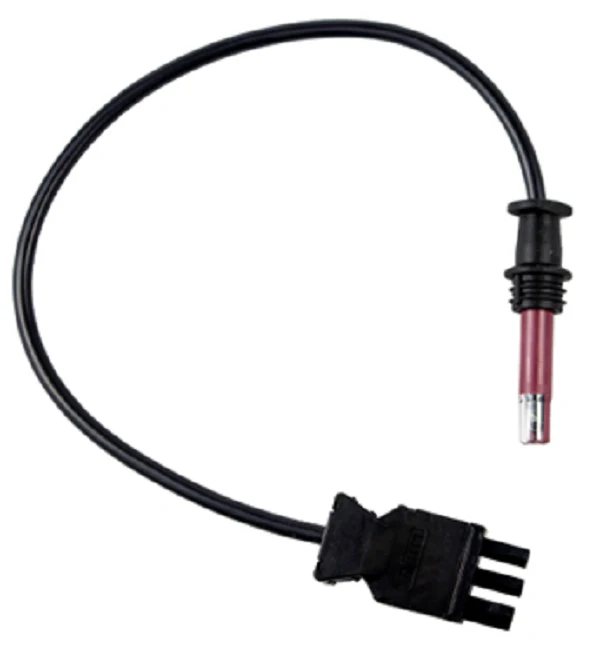
Viessmann 7816460 Cad Cell
The Viessmann 7816460 Cad Cell is a critical flame sensor designed for precise oil burner monitoring in residential and commercial heating systems. As a high-performance cadmium sulfide photocell, this component acts as a vital safety interface, sensing light in the visible spectrum to verify ignition and continuous combustion. When the burner fires, the Viessmann cad cell resistance should typically drop below 1,600 ohms—often settling between 300 and 1,000 ohms in a well-adjusted system—allowing the primary control to maintain the fuel cycle. If the photo-eye detects a dark condition or excessive resistance, it triggers a safety lockout to prevent dangerous unburned fuel accumulation. Engineered for long-term stability and OEM compatibility, this sensor features a durable glass-sealed design to protect the sensing disk from soot and moisture. Integrating this flame detector into your maintenance routine ensures high-read accuracy and minimizes nuisance shutdowns caused by aging or fouled sensors.
Key Benefits- Ensures reliable flame detection for burner safety and sequence control.
- Optimized for low-resistance signal output (typically under 1,600 ohms) during active combustion.
- Durable photoconductive design resistant to typical combustion chamber heat and vibration.
- Direct OEM replacement for Viessmann oil-fired boiler systems, ensuring exact fit and terminal alignment.
- Enables rapid troubleshooting of thermal lockout issues and burner ignition failures.
What is the proper resistance range for a healthy Viessmann 7816460?
In a darkened chamber without flame, the resistance should be very high (often over 50k ohms). Once the flame is established, the sensing leads should show a drop to approximately 300–1,000 ohms. Readings consistently above 1,600 ohms during firing usually indicate a dirty sensor or misaligned burner.
How do I troubleshoot a suspected sensor lockout?
Inspect the sensor face for carbon buildup or soot. If clean, test the ohms across the yellow leads. If you see infinite resistance or an open circuit during sunlight exposure, the photocell or wiring may be compromised and requires replacement.
Can this sensor be used with other primary controls?
While optimized for Viessmann configurations, this cad cell is compatible with standard oil primary controls that monitor the F-F terminals, provided the mounting bracket and lead length match the burner air tube specifications.
This item is not eligible for free shipping.
Disclaimer: While we strive for 100% accuracy, product data and specifications are subject to change. Please contact our team to confirm compatibility or technical details before purchasing.
Original: $81.89
-65%$81.89
$28.66Viessmann 7816460 Cad Cell
The Viessmann 7816460 Cad Cell is a critical flame sensor designed for precise oil burner monitoring in residential and commercial heating systems. As a high-performance cadmium sulfide photocell, this component acts as a vital safety interface, sensing light in the visible spectrum to verify ignition and continuous combustion. When the burner fires, the Viessmann cad cell resistance should typically drop below 1,600 ohms—often settling between 300 and 1,000 ohms in a well-adjusted system—allowing the primary control to maintain the fuel cycle. If the photo-eye detects a dark condition or excessive resistance, it triggers a safety lockout to prevent dangerous unburned fuel accumulation. Engineered for long-term stability and OEM compatibility, this sensor features a durable glass-sealed design to protect the sensing disk from soot and moisture. Integrating this flame detector into your maintenance routine ensures high-read accuracy and minimizes nuisance shutdowns caused by aging or fouled sensors.
Key Benefits- Ensures reliable flame detection for burner safety and sequence control.
- Optimized for low-resistance signal output (typically under 1,600 ohms) during active combustion.
- Durable photoconductive design resistant to typical combustion chamber heat and vibration.
- Direct OEM replacement for Viessmann oil-fired boiler systems, ensuring exact fit and terminal alignment.
- Enables rapid troubleshooting of thermal lockout issues and burner ignition failures.
What is the proper resistance range for a healthy Viessmann 7816460?
In a darkened chamber without flame, the resistance should be very high (often over 50k ohms). Once the flame is established, the sensing leads should show a drop to approximately 300–1,000 ohms. Readings consistently above 1,600 ohms during firing usually indicate a dirty sensor or misaligned burner.
How do I troubleshoot a suspected sensor lockout?
Inspect the sensor face for carbon buildup or soot. If clean, test the ohms across the yellow leads. If you see infinite resistance or an open circuit during sunlight exposure, the photocell or wiring may be compromised and requires replacement.
Can this sensor be used with other primary controls?
While optimized for Viessmann configurations, this cad cell is compatible with standard oil primary controls that monitor the F-F terminals, provided the mounting bracket and lead length match the burner air tube specifications.
This item is not eligible for free shipping.
Disclaimer: While we strive for 100% accuracy, product data and specifications are subject to change. Please contact our team to confirm compatibility or technical details before purchasing.
Product Information
Product Information
Shipping & Returns
Shipping & Returns
Description
The Viessmann 7816460 Cad Cell is a critical flame sensor designed for precise oil burner monitoring in residential and commercial heating systems. As a high-performance cadmium sulfide photocell, this component acts as a vital safety interface, sensing light in the visible spectrum to verify ignition and continuous combustion. When the burner fires, the Viessmann cad cell resistance should typically drop below 1,600 ohms—often settling between 300 and 1,000 ohms in a well-adjusted system—allowing the primary control to maintain the fuel cycle. If the photo-eye detects a dark condition or excessive resistance, it triggers a safety lockout to prevent dangerous unburned fuel accumulation. Engineered for long-term stability and OEM compatibility, this sensor features a durable glass-sealed design to protect the sensing disk from soot and moisture. Integrating this flame detector into your maintenance routine ensures high-read accuracy and minimizes nuisance shutdowns caused by aging or fouled sensors.
Key Benefits- Ensures reliable flame detection for burner safety and sequence control.
- Optimized for low-resistance signal output (typically under 1,600 ohms) during active combustion.
- Durable photoconductive design resistant to typical combustion chamber heat and vibration.
- Direct OEM replacement for Viessmann oil-fired boiler systems, ensuring exact fit and terminal alignment.
- Enables rapid troubleshooting of thermal lockout issues and burner ignition failures.
What is the proper resistance range for a healthy Viessmann 7816460?
In a darkened chamber without flame, the resistance should be very high (often over 50k ohms). Once the flame is established, the sensing leads should show a drop to approximately 300–1,000 ohms. Readings consistently above 1,600 ohms during firing usually indicate a dirty sensor or misaligned burner.
How do I troubleshoot a suspected sensor lockout?
Inspect the sensor face for carbon buildup or soot. If clean, test the ohms across the yellow leads. If you see infinite resistance or an open circuit during sunlight exposure, the photocell or wiring may be compromised and requires replacement.
Can this sensor be used with other primary controls?
While optimized for Viessmann configurations, this cad cell is compatible with standard oil primary controls that monitor the F-F terminals, provided the mounting bracket and lead length match the burner air tube specifications.
This item is not eligible for free shipping.
Disclaimer: While we strive for 100% accuracy, product data and specifications are subject to change. Please contact our team to confirm compatibility or technical details before purchasing.