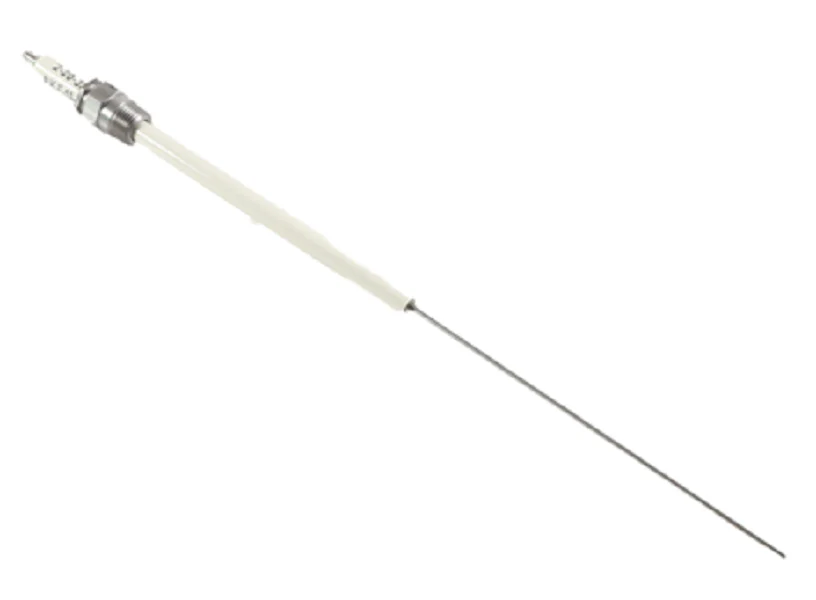
Fulton Boiler 2-20-000033 Ignition Electrode
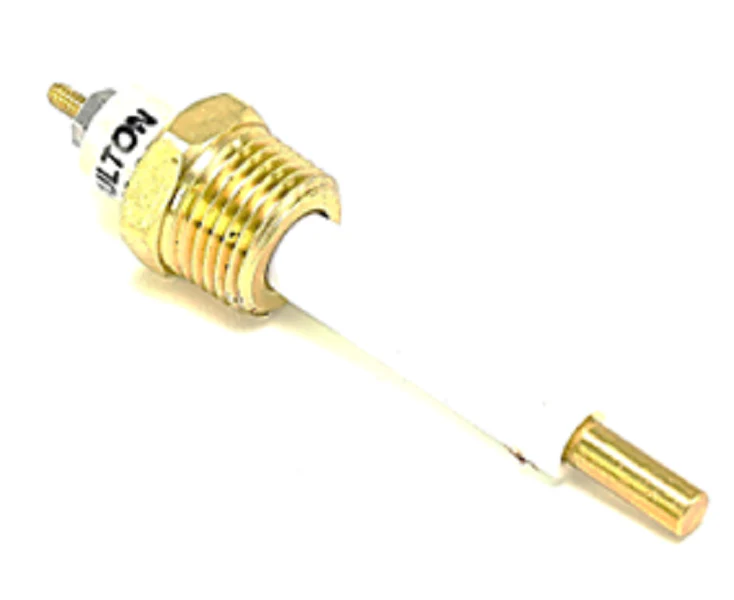
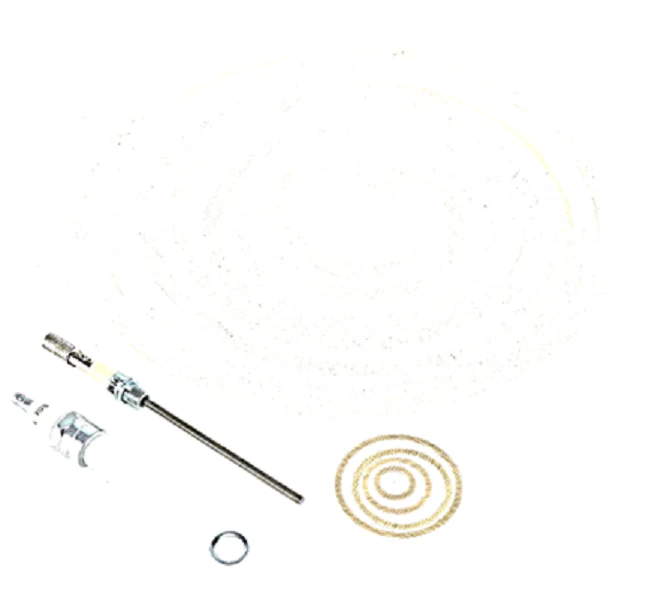
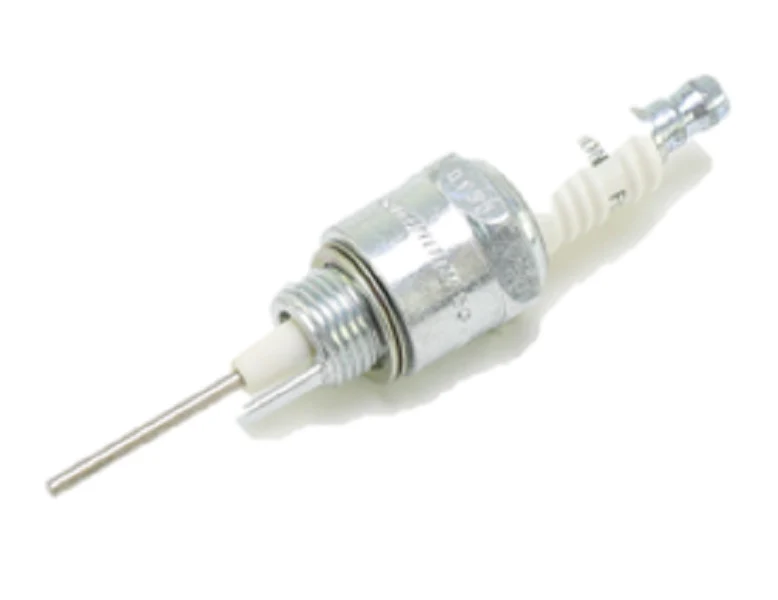
The Fulton Boiler 2-20-000033 Ignition Electrode is a critical component for maintaining consistent burner ignition sequence and flame signal stability in Fulton gas boilers. Designed for high-temperature durability, this OEM replacement igniter provides the essential high-voltage spark required to bridge the gap and ignite the gas-air mixture effectively. In the field, a fouled or cracked ignition electrode is a primary cause of boiler lockout codes and delayed ignition, which can lead to hazardous combustion pulsations. This specific electrode is engineered to precise tolerances to ensure the spark gap remains within manufacturer specifications, preventing nuisance flame failures. As a veteran tech, you know that swapping in a generic part can compromise the flame rectification circuit; this Fulton 2-20-000033 ensures seamless integration with the existing pilot assembly or main burner. Whether you are performing annual preventative maintenance or troubleshooting a "no heat" call, always inspect the ceramic insulator for hairline fractures that could cause grounding issues before installation.
Key Benefits:- Ensures reliable boiler spark ignition to prevent ignition delay and system vibration.
- Heavy-duty ceramic insulation resists thermal shock and prevents unintended voltage arcing.
- Specific Fulton Boiler replacement part geometry ensures perfect alignment with the burner head.
- Supports proper flame sensing and rectification for continuous, safe burner operation.
- Helps resolve common boiler error codes related to ignition failure and flame loss.
How do I know if my 2-20-000033 electrode needs replacement?
Inspect the tip for significant erosion or carbon buildup. If the ceramic insulator is cracked or the boiler is frequently locking out on "No Flame," the electrode is likely failing to provide a consistent spark or signal.
What is the correct spark gap for this Fulton electrode?
While gaps vary by specific boiler model, most Fulton units require a precise setting (typically 1/8") to ensure the spark doesn't "blow out" under high-velocity air conditions. Refer to your specific unit's technical manual during installation.
Can I clean the electrode instead of replacing it?
You can gently remove carbon deposits with fine steel wool, but if the metal is pitted or the ceramic is compromised, a full replacement is necessary to ensure long-term reliability and equipment safety.
This item is not eligible for free shipping.
Disclaimer: While we strive for 100% accuracy, product data and specifications are subject to change. Please contact our team to confirm compatibility or technical details before purchasing.
Original: $178.18
-65%$178.18
$62.36Fulton Boiler 2-20-000033 Ignition Electrode
The Fulton Boiler 2-20-000033 Ignition Electrode is a critical component for maintaining consistent burner ignition sequence and flame signal stability in Fulton gas boilers. Designed for high-temperature durability, this OEM replacement igniter provides the essential high-voltage spark required to bridge the gap and ignite the gas-air mixture effectively. In the field, a fouled or cracked ignition electrode is a primary cause of boiler lockout codes and delayed ignition, which can lead to hazardous combustion pulsations. This specific electrode is engineered to precise tolerances to ensure the spark gap remains within manufacturer specifications, preventing nuisance flame failures. As a veteran tech, you know that swapping in a generic part can compromise the flame rectification circuit; this Fulton 2-20-000033 ensures seamless integration with the existing pilot assembly or main burner. Whether you are performing annual preventative maintenance or troubleshooting a "no heat" call, always inspect the ceramic insulator for hairline fractures that could cause grounding issues before installation.
Key Benefits:- Ensures reliable boiler spark ignition to prevent ignition delay and system vibration.
- Heavy-duty ceramic insulation resists thermal shock and prevents unintended voltage arcing.
- Specific Fulton Boiler replacement part geometry ensures perfect alignment with the burner head.
- Supports proper flame sensing and rectification for continuous, safe burner operation.
- Helps resolve common boiler error codes related to ignition failure and flame loss.
How do I know if my 2-20-000033 electrode needs replacement?
Inspect the tip for significant erosion or carbon buildup. If the ceramic insulator is cracked or the boiler is frequently locking out on "No Flame," the electrode is likely failing to provide a consistent spark or signal.
What is the correct spark gap for this Fulton electrode?
While gaps vary by specific boiler model, most Fulton units require a precise setting (typically 1/8") to ensure the spark doesn't "blow out" under high-velocity air conditions. Refer to your specific unit's technical manual during installation.
Can I clean the electrode instead of replacing it?
You can gently remove carbon deposits with fine steel wool, but if the metal is pitted or the ceramic is compromised, a full replacement is necessary to ensure long-term reliability and equipment safety.
This item is not eligible for free shipping.
Disclaimer: While we strive for 100% accuracy, product data and specifications are subject to change. Please contact our team to confirm compatibility or technical details before purchasing.
Product Information
Product Information
Shipping & Returns
Shipping & Returns
Description
The Fulton Boiler 2-20-000033 Ignition Electrode is a critical component for maintaining consistent burner ignition sequence and flame signal stability in Fulton gas boilers. Designed for high-temperature durability, this OEM replacement igniter provides the essential high-voltage spark required to bridge the gap and ignite the gas-air mixture effectively. In the field, a fouled or cracked ignition electrode is a primary cause of boiler lockout codes and delayed ignition, which can lead to hazardous combustion pulsations. This specific electrode is engineered to precise tolerances to ensure the spark gap remains within manufacturer specifications, preventing nuisance flame failures. As a veteran tech, you know that swapping in a generic part can compromise the flame rectification circuit; this Fulton 2-20-000033 ensures seamless integration with the existing pilot assembly or main burner. Whether you are performing annual preventative maintenance or troubleshooting a "no heat" call, always inspect the ceramic insulator for hairline fractures that could cause grounding issues before installation.
Key Benefits:- Ensures reliable boiler spark ignition to prevent ignition delay and system vibration.
- Heavy-duty ceramic insulation resists thermal shock and prevents unintended voltage arcing.
- Specific Fulton Boiler replacement part geometry ensures perfect alignment with the burner head.
- Supports proper flame sensing and rectification for continuous, safe burner operation.
- Helps resolve common boiler error codes related to ignition failure and flame loss.
How do I know if my 2-20-000033 electrode needs replacement?
Inspect the tip for significant erosion or carbon buildup. If the ceramic insulator is cracked or the boiler is frequently locking out on "No Flame," the electrode is likely failing to provide a consistent spark or signal.
What is the correct spark gap for this Fulton electrode?
While gaps vary by specific boiler model, most Fulton units require a precise setting (typically 1/8") to ensure the spark doesn't "blow out" under high-velocity air conditions. Refer to your specific unit's technical manual during installation.
Can I clean the electrode instead of replacing it?
You can gently remove carbon deposits with fine steel wool, but if the metal is pitted or the ceramic is compromised, a full replacement is necessary to ensure long-term reliability and equipment safety.
This item is not eligible for free shipping.
Disclaimer: While we strive for 100% accuracy, product data and specifications are subject to change. Please contact our team to confirm compatibility or technical details before purchasing.